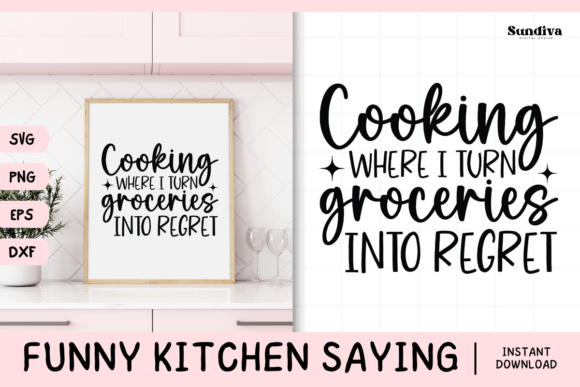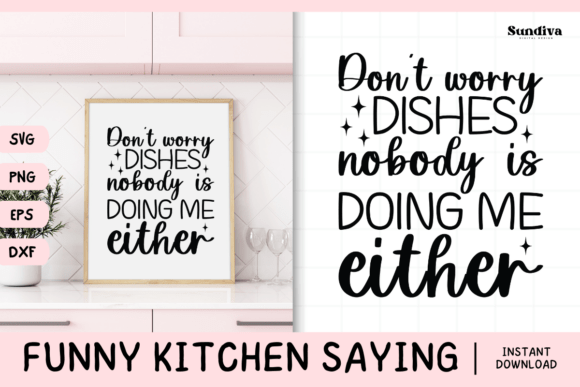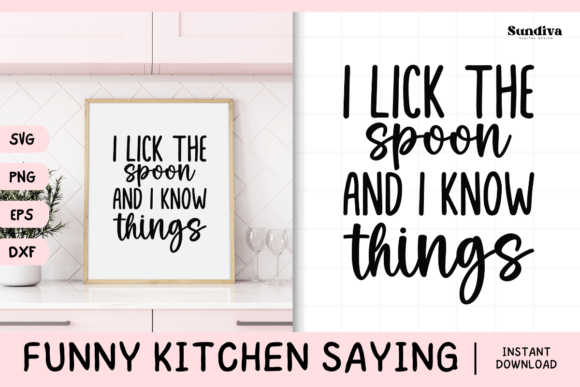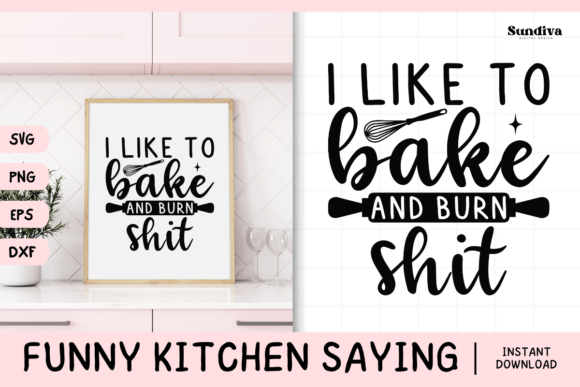
Funny Kitchen Saying SVG 20
First Impression: A Wink, Not a Shout
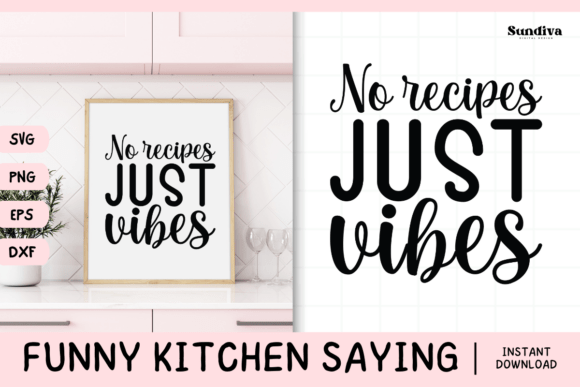
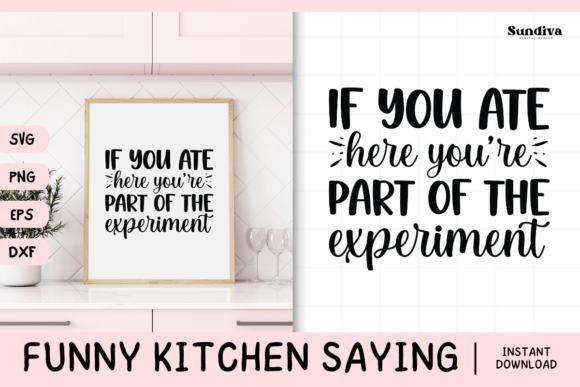
When I opened Funny Kitchen Saying SVG 20, I didn’t see “cute” or “trendy”—I saw *relatable*. It’s got that warm, slightly irreverent kitchen humor that lands best when it feels handwritten, not algorithm-generated. The layout is clean but loose: letters with gentle irregularity, subtle spacing that breathes, and a compact footprint—no sprawling banners or fussy flourishes. It’s the kind of design that would look right at home on a linen tea towel folded over a bakery counter or stitched onto the chest of a heavyweight cotton apron. As an embroidery designer who’s stitched hundreds of kitchen-themed pieces, I immediately sensed its rhythm: it’s built for readability at 3–4 inches wide, not for tiny cuff details or micro-embroidery.
Real Project Test: Stitching It on a Linen-Cotton Tote Bag
Last week, I prepped a custom order—a set of three embroidered tote bags for a local café’s staff gifts. I chose Funny Kitchen Saying SVG 20 for the front panel (centered, 3.75" wide) and ran it on midweight linen-cotton blend with tear-away + light cutaway stabilizer. Here’s what stood out:
- Stitch clarity held up beautifully—no letter crowding, no thread nesting in curves. The “O”s and “G”s retained their openness; the lowercase “a” and “e” didn’t vanish into fill stitch density.
- No re-hooping needed. Its balanced width-to-height ratio meant it fit cleanly in a 4×4 hoop without trimming or scaling—critical when you’re stitching 36 units for a small shop order.
- Customers smiled before they even read it. One barista texted: “My bag made my cousin laugh *twice* at brunch.” That’s the quiet power of this design—it reads fast, feels human, and doesn’t ask for attention. It earns it.
Where It Shines (and Where to Pause)
Funny Kitchen Saying SVG 20 is strongest where personality meets practicality:
- Aprons & tea towels: Perfect scale for chest or corner placement. Linen, cotton duck, and terry hold the stitch definition well.
- Sweatshirts & unisex tees: Works cleanly on ribbed fabric if stabilized properly—avoid tight necklines or curved shoulder seams unless you’ve tested hooping there first.
- Embroidered patches: Clean outlines and moderate detail mean it transfers crisply to twill or felt backings—ideal for boutique merchandise or craft fair pins.
- Personalized gifts: Paired with a monogram or date below, it adds warmth to baby kitchen towels, wedding kitchen bundles, or new-home hostess gifts.
Use caution on:
- Thin or stretchy fabrics (like jersey or lightweight rayon)—the design’s openness can exaggerate puckering if stabilizer isn’t matched precisely.
- Dark or textured surfaces (black terry towels, burlap, heavy canvas)—test thread contrast thoroughly. A matte navy thread on charcoal linen reads better than glossy white on black terry.
- Caps or curved items: The shape isn’t inherently cap-friendly—avoid placing it across the crown seam unless you’re willing to split and adjust for distortion.
- Small hoop sizes (< 3"): Scaling down risks losing legibility in the smaller characters. If you need under 3", treat it as a simplified redraw—not just a resize.
What It Adds to Your Craft Business—Beyond the Stitch
As someone who reviews embroidery files for Etsy sellers and small-batch makers, I pay close attention to how a design affects perceived value—and Funny Kitchen Saying SVG 20 quietly elevates it. It doesn’t scream “handmade,” but it *feels* handmade: the slight asymmetry, the comfortable weight of the letterforms, the lack of digital sterility. That translates directly to customer trust. Buyers don’t question whether it was mass-produced—they sense intention. For a craft business, that means fewer returns, more repeat orders, and stronger branding consistency across products like mugs, cutting boards, and wall art—even when those are printed, not stitched.
It also performs well in digital previews: clean edges render crisply in printable mockups, and it holds up in both light-and-dark background comps. That’s invaluable when you’re listing on Etsy or updating your Shopify banner—no last-minute redesigns because the file looked muddy in grayscale.
Practical Designer Notes Before You Stitch
Before using Funny Kitchen Saying SVG 20 in a client project or product line, do these five things:
- Test on scrap fabric matching your final material—especially for texture and drape.
- Check thread color contrast in natural light *and* under your shop’s lighting. What reads bold on screen may fade on oatmeal linen.
- Review stitch density visually—not just by count. Look for tight clusters near curves or terminals that might snag during washing.
- Confirm hoop size compatibility with your machine and project type. Don’t assume “SVG” means universal scalability—it doesn’t.
- Verify licensing terms. Since this falls under Graphics in the Crafts category, confirm whether commercial use (e.g., selling finished embroidered totes) is permitted, and whether resale of the digital file itself is restricted.
And one final note: if you’re pairing it with other elements—like a border, icon, or secondary phrase—give it breathing room. This design earns its charm through simplicity. Over-accenting it dilutes its voice.
Final Thought: A Design That Serves the Maker, Not Just the Machine
Funny Kitchen Saying SVG 20 isn’t flashy—but then, neither is a perfectly seared scallop or a well-knotted French knot. It’s thoughtful, functional, and quietly confident. It respects the time of the embroiderer and the expectations of the buyer. Whether you’re stitching holiday gifts for neighbors, building a cohesive line for your small shop, or prepping a batch for a craft fair, this is the kind of embroidery file that makes the work feel lighter—and the result feel warmer.